Pre-Construction Planning: Where Successful Projects Begin
Golden Rise Contracting
Before equipment arrives on site and construction begins, the most important work has already started. Pre-construction planning is the phase where decisions are made, risks are reduced, and expectations are aligned. It is the roadmap that guides a project from concept to completion with clarity, control, and confidence.
At Golden Rise Contracting, we view pre-construction as the backbone of a well-executed project—one that protects schedules, budgets, quality, and safety from day one.
Turning Vision Into a Clear Plan
Every project starts with an idea, but success depends on how well that idea is translated into actionable steps. During pre-construction, project goals, performance expectations, and scope boundaries are clearly defined. This shared understanding ensures that owners, consultants, and construction teams are aligned from the outset, reducing confusion and avoiding costly changes later.
Clear direction early leads to better decisions throughout the project lifecycle.
Vestibulum tempor elit ac tellus ornare luctus. Donec ultrices placerat elit id aliquam.
Golden Rise Contracting
Building the Schedule Before Building the Project
Time management begins long before construction starts. Pre-construction planning establishes a logical sequence of work, identifies critical milestones, and coordinates activities across trades and suppliers. This structured approach helps avoid conflicts, reduce downtime, and keep progress moving steadily forward.
By addressing scheduling challenges early, projects are better positioned to stay on track and meet delivery expectations.
Identifying Risks Early—Not After They Happen
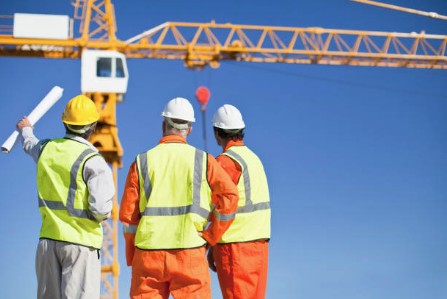
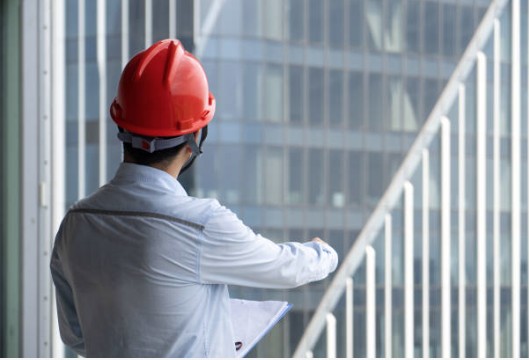
Construction projects involve many moving parts, each with its own risks. Pre-construction allows teams to identify potential safety, logistical, financial, and environmental challenges before they impact the jobsite. With early risk assessment comes proactive solutions—whether through contingency planning, safety strategies, or design adjustments.
Managing risk in advance protects workers, budgets, and timelines.
Aligning Design, Permits, and Compliance
A successful project depends on seamless coordination between design intent and constructability. During pre-construction, plans are reviewed, details are refined, and compliance with applicable codes and regulations is confirmed. Close collaboration with architects, engineers, and consultants helps resolve design conflicts early—before they result in delays or rework.
This coordination phase ensures the project is ready to build, not just ready on paper.
Strengthening Team Communication
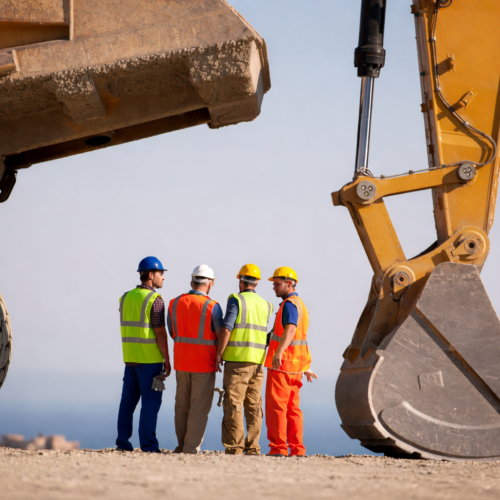
Strong communication does not happen by accident—it is planned. Pre-construction establishes how information will flow between owners, project managers, subcontractors, and suppliers. Defined communication channels, regular coordination meetings, and shared documentation keep everyone informed and accountable.
Clear communication reduces errors, speeds decision-making, and builds trust across the project team.
Planning Resources for Maximum Efficiency
Labor, materials, and equipment must be available at the right time and in the right sequence. Pre-construction planning allows teams to coordinate deliveries, schedule subcontractors, and optimize resource use. This reduces waste, minimizes downtime, and keeps operations running smoothly once construction begins.
Efficient planning leads to efficient execution.
Integrating Sustainability and Environmental Responsibility
Modern construction demands environmental awareness. During pre-construction, environmental considerations are evaluated, required approvals are identified, and sustainable practices are incorporated where appropriate. From material selection to waste reduction strategies, early planning supports responsible construction and regulatory compliance.
Sustainability is most effective when it is planned—not added later.
Establishing Quality From the Start
Quality is not inspected in at the end—it is built into the process. Pre-construction planning defines performance standards, inspection requirements, and quality benchmarks that guide construction activities. By setting expectations early, teams can deliver consistent workmanship and reduce the risk of defects or rework.
Early quality planning protects both the client’s investment and the contractor’s reputation.
Our Approach
At Golden Rise Contracting, pre-construction planning is where projects gain momentum. Through careful coordination, disciplined planning, and clear communication, we lay the groundwork for projects that are safer, more efficient, and better aligned with client goals.
Strong projects don’t start on the jobsite—they start with a plan.