Jobsites Can Be Significantly Safer With Strong Health and Safety Practices
At Golden Rise Contracting, jobsite safety is more than a requirement—it is a core value. Across the U.S. construction industry, data continues to show that companies that adopt structured health and safety programs experience dramatically fewer incidents, healthier crews, and stronger project performance.
Industry research released in 2025 by Associated Builders and Contractors reinforces a simple truth: when safety is treated as a leadership responsibility and a shared commitment, jobsites become substantially safer.
Safety Programs Make a Measurable Difference
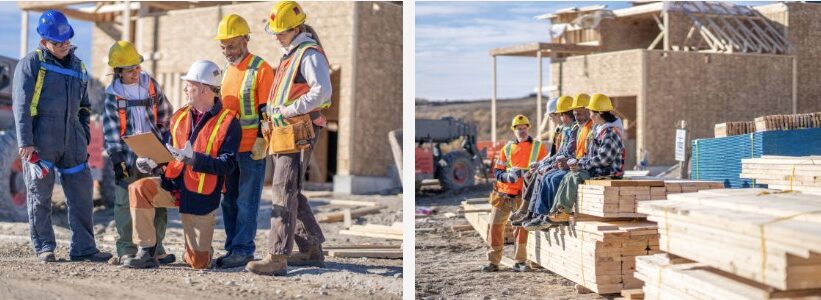
National construction safety data demonstrates that companies using formal health and safety management systems achieve incident rates far below industry averages. Contractors with mature safety programs report:
- Significantly lower recordable injury rates
- Fewer lost-time incidents
- Stronger workforce engagement
- Improved project continuity and productivity
- These outcomes prove that proactive safety planning is not just good ethics—it is good business.
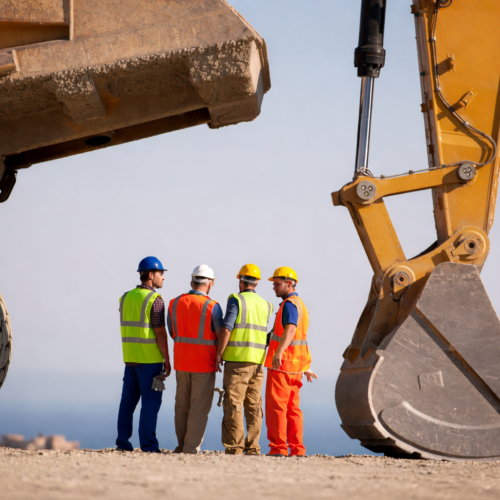
Golden Rise Leadership Team
Building a Strong Safety Culture
A successful safety program begins with culture. When leadership sets clear expectations that all incidents are preventable, safety becomes embedded in everyday operations—not just addressed after something goes wrong.
A strong safety culture:
- Treats worker well-being as a non-negotiable priority
- Encourages accountability at every level
- Promotes open communication about hazards and near-misses
- Reinforces that safety is a shared responsibility
- At Golden Rise Contracting, safety is approached as a long-term commitment rather than a short-term priority.
Key Safety Practices That Reduce Jobsite Incidents
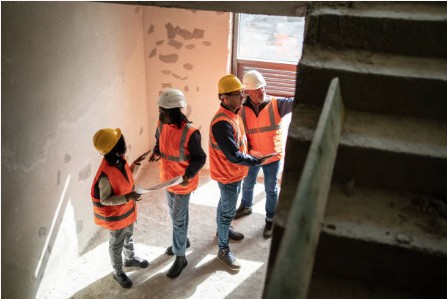
Industry-leading contractors consistently implement the following safety practices to reduce injuries and protect their workforce:
New Hire Safety Orientation
Comprehensive onboarding introduces new employees to company safety expectations, procedures, and culture. Thorough orientations significantly reduce incident rates by ensuring workers understand hazards before starting work.
Substance Abuse Prevention Programs
Clear policies and education around substance use help maintain alert, focused jobsites. Companies with robust prevention programs experience fewer incidents and safer work environments.
Regular Toolbox Talks
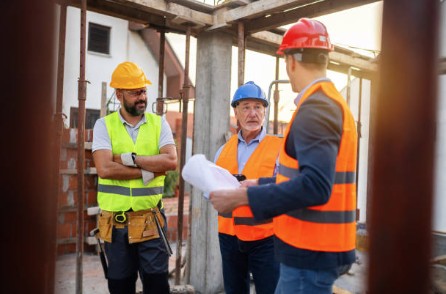
Frequent, short safety discussions keep hazards top of mind. Daily or frequent toolbox talks are far more effective than infrequent meetings and help crews address real-time risks.
Leadership Involvement
When company leadership actively participates in safety efforts, incident rates drop. Visible commitment from management reinforces that safety is valued at every level.
Use of Leading Indicators
Tracking preventive activities—such as training, inspections, and hazard assessments—helps identify risks before injuries occur. Focusing on prevention leads to better outcomes than reacting after incidents happen.
Safety Benefits Beyond Compliance
Investing in construction safety delivers benefits that extend well beyond regulatory compliance:
- Reduced workers’ compensation claims
- Lower insurance costs
- Fewer project delays
- Stronger workforce morale
- Enhanced company reputation
Most importantly, it ensures that workers return home safely every day.
Our Commitment to Safety
At Golden Rise Contracting, we integrate safety into every phase of construction—from planning and mobilization to project completion. By emphasizing training, accountability, leadership engagement, and continuous improvement, we strive to create jobsites where people feel protected, respected, and empowered.
We believe that when safety is built into the foundation of every project, everyone benefits—our workers, our clients, and the communities we serve.